
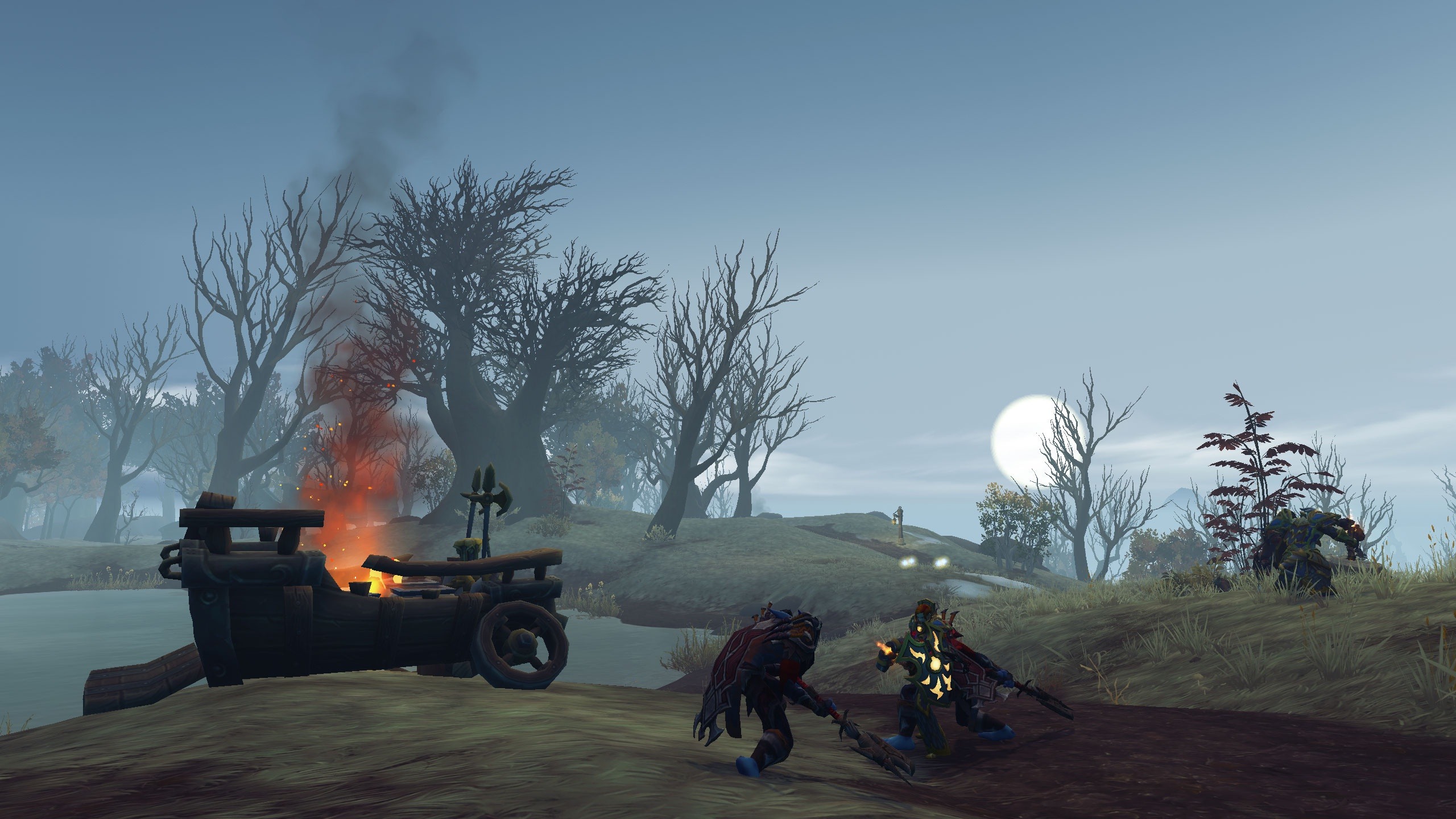
World of Warcraft has a long and storied PvP history, filled with epic battles, legendary rivalries, and, occasionally, outright exploits that turned the tide of competition in unfair ways. Over the years, some players have discovered ways to bend the game’s mechanics, skirt the rules, or abuse unintended interactions. These exploits not only shaped the PvP landscape at the time but also led to changes in game mechanics, policies, and community trust.
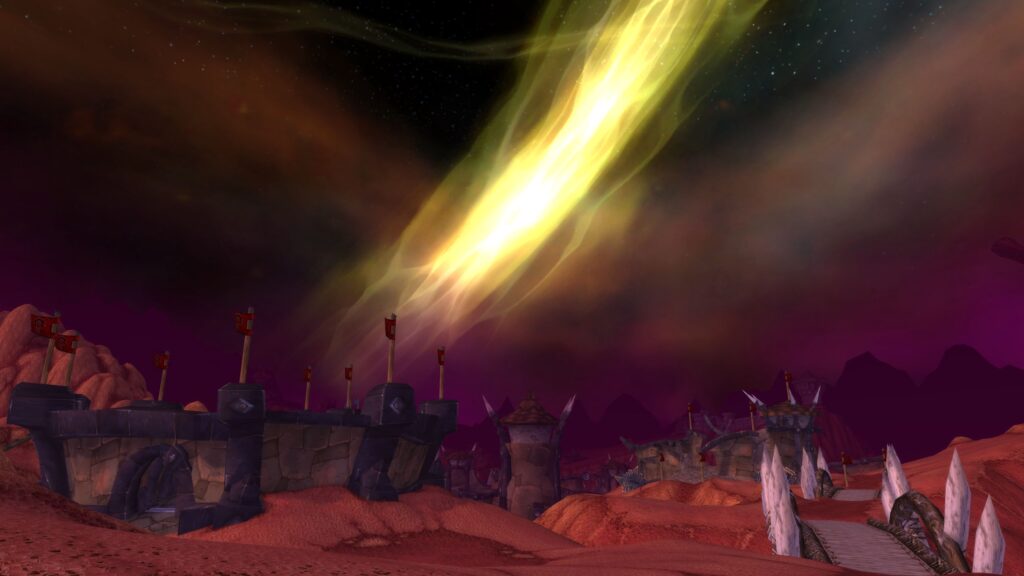
Here are some of the most infamous PvP exploits in WoW’s history, their impact on the game, and the lessons learned from these moments.
The Wall Climbing Era (Vanilla WoW)
Back in Vanilla WoW, terrain exploitation was a common issue, and no battleground was more affected than Warsong Gulch. Players discovered ways to climb walls or reach areas of the map that were never intended to be accessible. Flag carriers would often hide in unreachable spots, forcing the enemy team to either give up or spend hours trying to replicate the exploit themselves.
This tactic not only frustrated players but also delayed games to an unbearable length. Blizzard eventually introduced measures to prevent terrain climbing and adjusted the geometry of many battlegrounds to discourage these exploits. The fallout highlighted the importance of maintaining fair, accessible play spaces and enforcing policies against such behavior.
Mind Control and Death Zones
One of the earliest and most creative PvP exploits involved using Priest abilities in unexpected ways. In certain battlegrounds, like Alterac Valley, Priests discovered that they could Mind Control enemies and force them to walk off cliffs or into environmental hazards, resulting in instant deaths. While technically not a hack, this manipulation of the environment was never intended to be part of PvP strategy.
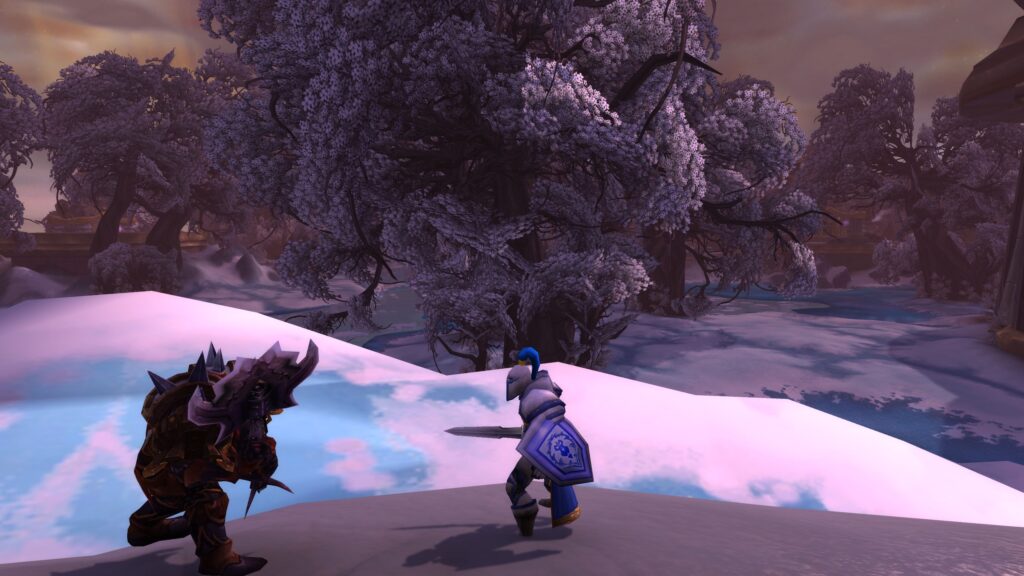
The community was divided over whether this was clever use of game mechanics or outright exploitation. Over time, Blizzard implemented fixes to reduce the effectiveness of these tricks, including adjusting terrain, changing Mind Control behavior, and adding safe zones. The controversy reinforced the fine line between ingenuity and exploitation in competitive play.
The Wintergrasp Win Trading
During the Wrath of the Lich King expansion, the massive outdoor battleground Wintergrasp became a hotbed of coordinated win trading. Players from opposing factions on the same server would agree to take turns winning, allowing both sides to farm honor, gold, and access to the raid instance Vault of Archavon.
While not a technical exploit, this behavior undermined the competitive integrity of Wintergrasp battles. It also made it harder for legitimate players to enjoy fair matches. Blizzard responded by adjusting how rewards were distributed and cracking down on organized win trading. This incident served as a reminder that player-driven exploitation of the honor system can have long-lasting effects on PvP environments.
Exploitative Arena Comps and MMR Abuse
Arenas, introduced in The Burning Crusade, quickly became the pinnacle of competitive PvP in WoW. However, they also brought new opportunities for exploitation. Some teams found ways to manipulate Matchmaking Rating (MMR), queuing against deliberately low-rated opponents or exploiting matchmaking bugs to boost their ratings unfairly.
In addition, certain arena comps would abuse game mechanics—such as infinite crowd control loops or unintended interaction between spells—to dominate the ladder. These exploits often led to an uneven playing field, with a handful of teams monopolizing top ranks through questionable means.
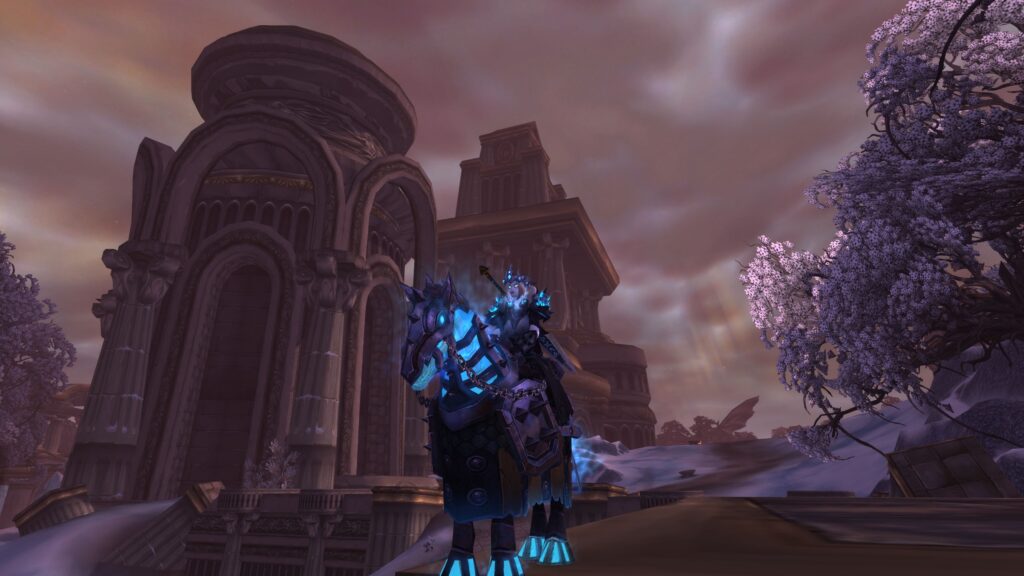
Blizzard responded by tightening MMR systems, patching problematic abilities, and implementing harsher penalties for account sharing or rating manipulation. While these measures helped restore balance, the damage to the competitive scene lingered, highlighting the ongoing need for vigilance and timely fixes.
The Gear and Enchant Stacking Scandals
In certain expansions, players discovered ways to stack gear or enchants in unintended ways. For example, using outdated gear or unusual item combinations could produce wildly disproportionate stats, giving players a massive advantage in PvP. This often went unnoticed until players started steamrolling opponents in battlegrounds or arenas, prompting investigation.
These exploits led to emergency hotfixes, retroactive punishments, and increased scrutiny of gear interactions. While the exact exploits varied, the underlying theme was the same: players who found ways to “game the system” eroded trust and fair play, forcing Blizzard to act swiftly to restore balance.
Conclusion: Lessons from the Past
The most infamous PvP exploits in WoW’s history serve as cautionary tales for both players and developers. For the player base, these moments remind us that short-term gains through unfair methods often come at a long-term cost—reduced trust, harsher penalties, and a less enjoyable game environment. For Blizzard, each exploit has underscored the importance of proactive monitoring, timely patches, and transparent communication with the community.
While exploits can never be entirely eliminated, their legacy has led to stronger policies, more robust systems, and a better understanding of what it takes to maintain a fair, competitive PvP environment in WoW.
Home