

Open-world group formation has shifted away from rigid party structures toward short-lived, purpose-driven cooperation. Players now come together naturally around shared objectives without long-term commitments or formal organization.
This shift changes how social interaction functions in open-world endgame content. Cooperation feels spontaneous and efficient, allowing players to participate without the pressure of schedules or extended coordination.
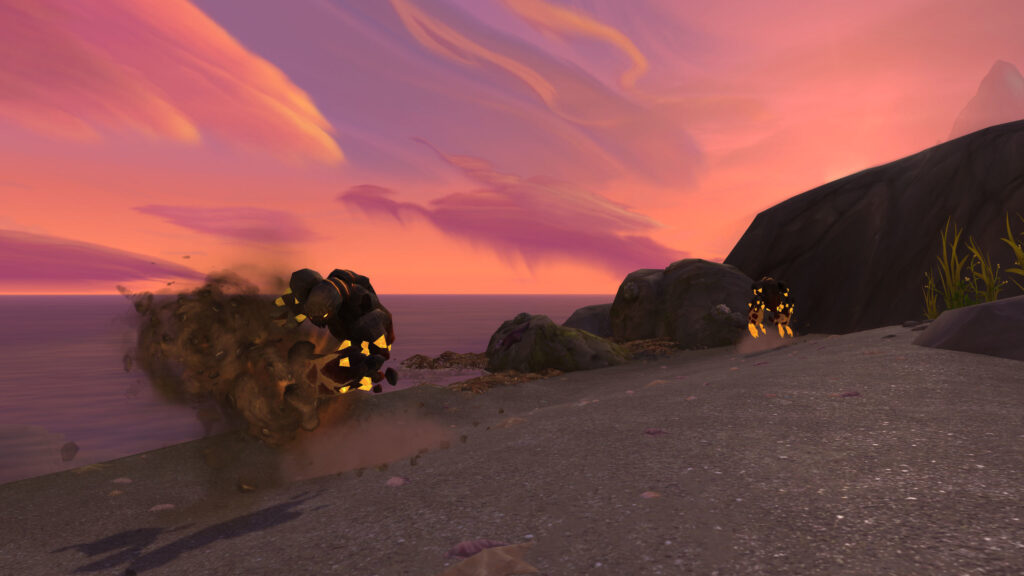
Shared Objectives Create Natural Gathering Points
World events, rare spawns, and scalable encounters naturally pull players into the same space. Grouping happens as a byproduct of proximity rather than planning.
Players recognize mutual benefit quickly. Cooperation forms instantly, often without chat, driven by shared incentives and visible progress.
Temporary Groups Reduce Social Friction
Because groups are short-lived, expectations remain low. There is little pressure to perform perfectly or to remain after the objective is complete.
This reduces anxiety and encourages participation. Players join freely knowing they can leave without consequence once their goal is achieved.
Flexibility Encourages Broader Participation

Organic grouping allows players with limited time to engage meaningfully. Even brief sessions contribute to progress without wasted effort.
The open nature of these groups supports diverse playstyles, from solo-oriented players to those seeking brief cooperative moments.
| Group Type | Formation Method | Player Commitment |
|---|---|---|
| Open-world events | Proximity-based | Minimal |
| Rare encounters | Objective-driven | Short-term |
| Instanced groups | Pre-arranged | Moderate |
| Organized raids | Scheduled | High |
Organic Grouping Strengthens World Activity
When grouping is effortless, world zones remain active longer. Players circulate naturally instead of clustering exclusively in instanced content.
This activity reinforces the open world as a living space rather than a transitional area between structured content.
Conclusion
Open-world group formation becomes more organic and temporary by lowering coordination barriers and encouraging spontaneous cooperation.
This flexibility supports wider participation, healthier engagement, and a more dynamic shared world.