
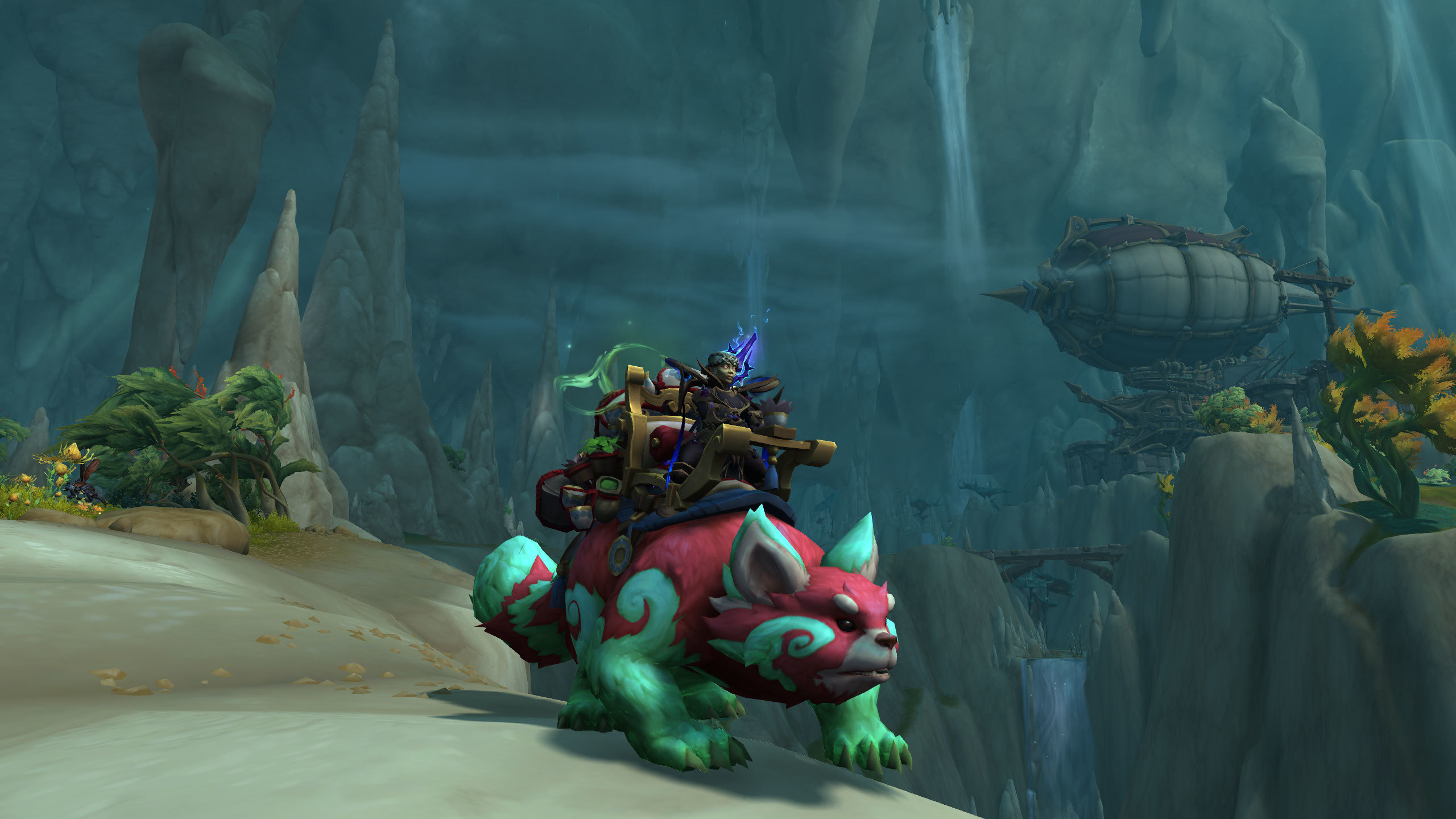
Introduction. After two decades, World of Warcraft has grown far beyond Azeroth’s borders. From Shadowlands to the Dragon Isles, and soon to the underground depths of The War Within, the game’s narrative spans dimensions, realities, and timelines. Yet, somehow, the world still feels unified. Blizzard’s challenge has been monumental: maintaining a coherent world identity while exploring a sprawling multiverse. Their success lies in a design philosophy rooted in emotional consistency, visual harmony, and the unbreakable gravity of Azeroth itself.
This article examines how Blizzard keeps WoW’s universe cohesive through design, storytelling, and emotional resonance—ensuring that, no matter how far players travel, they always feel at home.
Azeroth as the Anchor of Reality
Every story in Warcraft, no matter how cosmic, eventually circles back to Azeroth. It’s the heart of the narrative—a living character rather than a backdrop. Whether players journey through alternate timelines in Warlords of Draenor or the afterlife in Shadowlands, the emotional weight always returns to home. Blizzard uses Azeroth as both literal and metaphorical gravity, a point of familiarity that grounds even the most fantastical expansions.
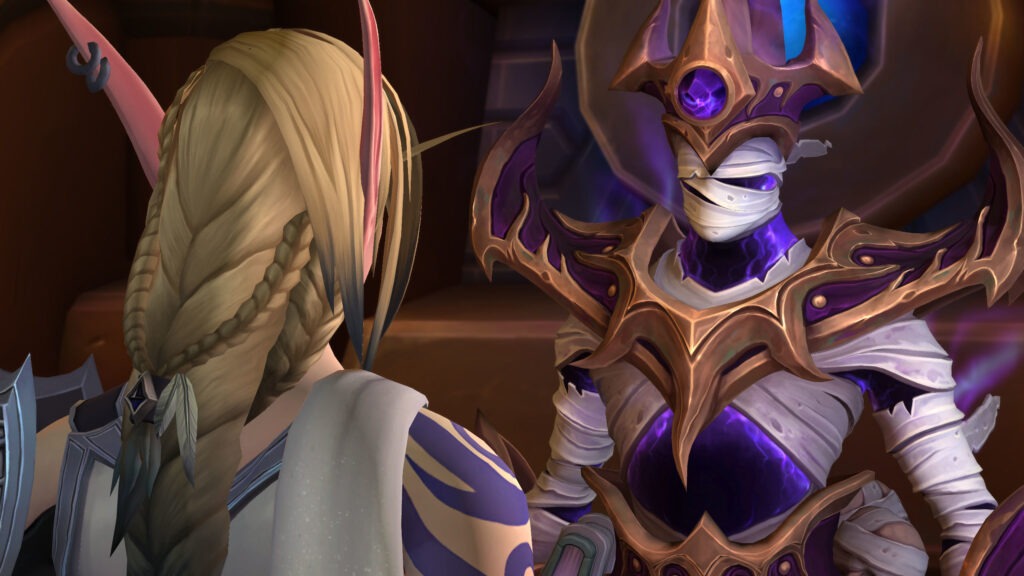
This approach ensures that players never feel lost, even when traversing other realms. Azeroth’s cultures, heroes, and landscapes provide continuity, reminding players that every adventure connects to a single, shared history. No matter how vast the multiverse becomes, its meaning still flows from one source: the world that started it all.
Visual and Thematic Continuity
Art direction is one of Blizzard’s most powerful storytelling tools. Every world—whether it’s the ethereal Shadowlands or the fiery depths of Deepholm—shares a consistent artistic DNA: exaggerated shapes, painterly textures, and color-driven emotion. This cohesion makes even alien worlds feel like Warcraft. The game’s art style functions like a universal language, tying together places that would otherwise feel disconnected.
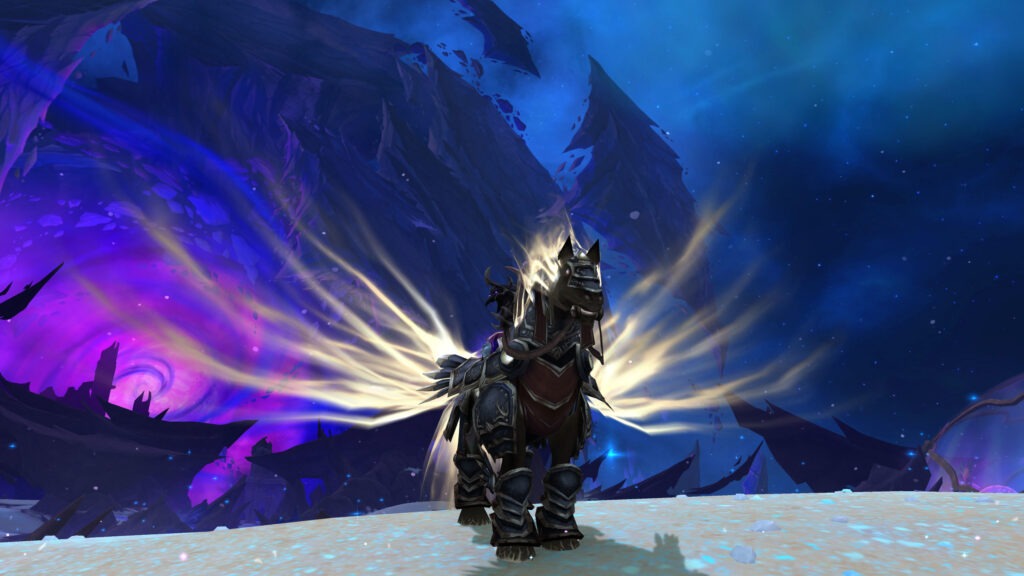
The same principle applies to tone. While storylines shift from epic wars to personal tragedies, the emotional palette remains distinctively Warcraft—hope amid despair, humor amid hardship, and resilience amid chaos. This thematic consistency binds expansions into a single, ongoing narrative rather than fragmented episodes.
Storytelling Through Interconnection
Rather than isolating each expansion, Blizzard now designs with continuity in mind. Threads from older storylines—like the Old Gods, the Titans, and the Void—weave through newer narratives, ensuring that even cosmic arcs feel tied to established lore. Characters like Anduin, Wrathion, and Alleria act as emotional bridges between disparate eras and settings, carrying player investment across boundaries.
This interconnected storytelling builds trust. Players no longer feel that expansions erase the past; instead, they see growth and reflection. It’s a storytelling evolution that respects long-term fans while welcoming new ones into a living continuum rather than a disconnected anthology.
| Design Element | Purpose | Example | Effect on Cohesion |
|---|---|---|---|
| Azeroth-Centric Motif | Anchor all cosmic stories to a single world | Shadowlands epilogue leading back to Stormwind | Restores emotional familiarity |
| Visual Style | Maintain artistic identity across settings | Dragonflight’s painterly zones echo Classic landscapes | Creates subconscious recognition |
| Character Continuity | Revisit key heroes across expansions | Alleria and Turalyon’s arcs through multiple expansions | Builds emotional consistency and lineage |
Player Perspective as the Narrative Lens
Perhaps the strongest unifying force in WoW is the player themselves. Blizzard uses the player-character as the connective thread, carrying reputation, relationships, and memories through every expansion. Regardless of setting, players experience continuity through their personal journey. Each victory and loss adds emotional weight, turning the multiverse into a personal odyssey rather than a series of disconnected adventures.
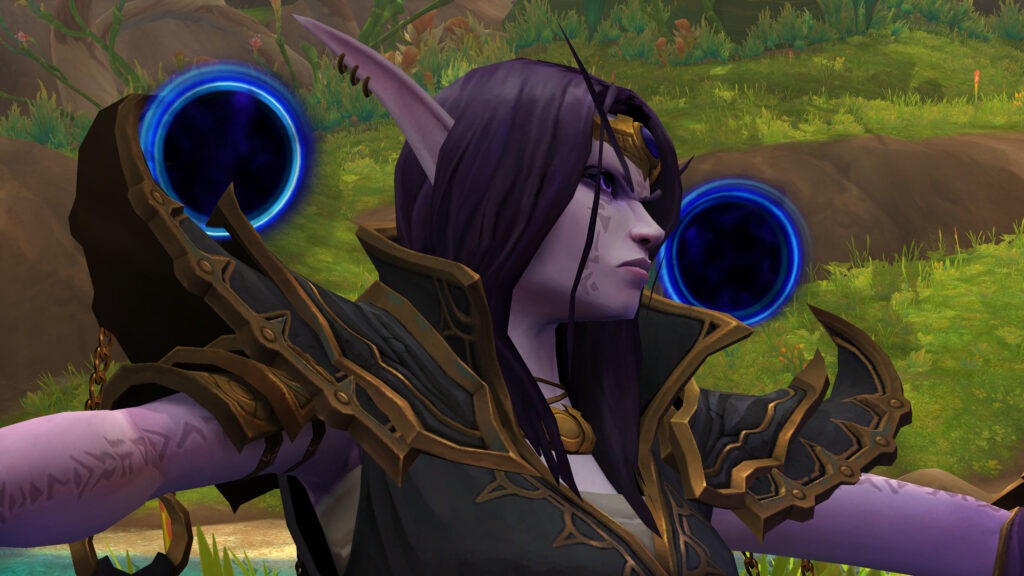
This approach makes the game’s scale manageable. No matter how cosmic the stakes become, the player’s story remains human—driven by loyalty, curiosity, and courage. The result is a universe that feels immense but never alienating.
Balancing Expansion and Identity
Blizzard walks a delicate line: expanding the universe without losing its soul. New worlds offer excitement, but too much abstraction risks disconnection. By maintaining consistent art, tone, and emotional grounding, WoW avoids the pitfalls of other sprawling franchises. Its multiverse grows outward, but its identity stays rooted in the same emotional truths—adventure, unity, and the enduring pull of home.
Even as the Worldsoul Saga promises broader cosmic horizons, Blizzard’s design remains faithful to the philosophy that started it all: the world is the story. And as long as players keep returning to Azeroth, the heart of Warcraft will continue to beat, no matter how far the multiverse extends.
Conclusion
Blizzard’s mastery lies not in building endless worlds, but in connecting them.
Through consistent art direction, narrative threads, and emotional resonance, WoW’s universe expands without fracturing. No matter how vast its multiverse becomes, players always find themselves drawn back to the same feeling—to the sound of Stormwind’s music, the glow of Durotar’s sunrise, and the sense that, in every world, Azeroth is still home.